
Introduction: The High Stakes of Premium Device Protection
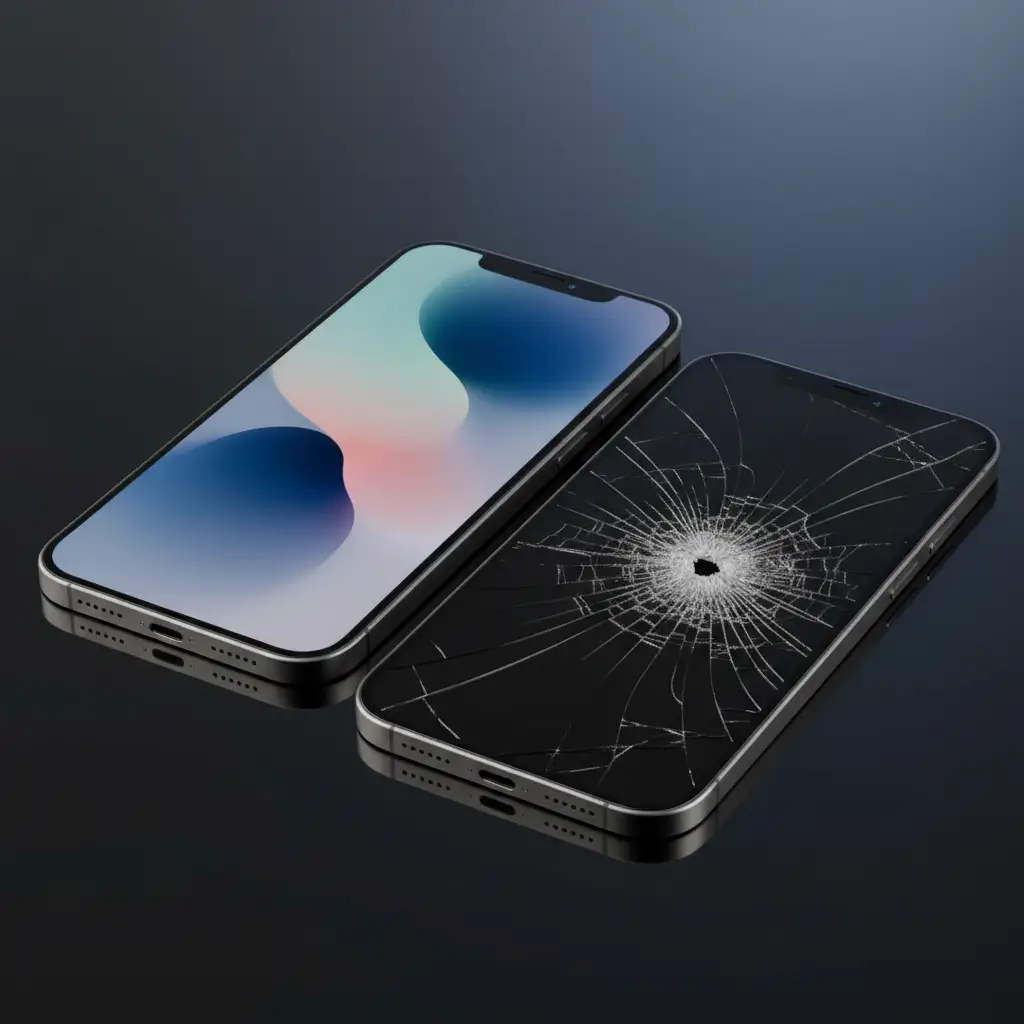
As mobile technology evolves, the financial investment required to own the latest flagship device has reached unprecedented levels. With the launch of the iPhone 16 series, users are once again faced with a critical dilemma: how to protect a $1,000+ asset against the unpredictable nature of daily life. Whether it is a shattered Ceramic Shield, a sudden immersion in water, or the devastating discovery of a stolen device, the cost of “going unprotected” can be a major financial setback.
In the 2026 mobile landscape, “Mobile Phone Insurance” has shifted from a luxury add-on to a financial necessity. This article provides a high-level comparison between the iPhone 16 and iPhone 15 Pro protection costs, while analyzing whether Apple’s in-house AppleCare+ or Third-Party Private Insurance offers the best ROI (Return on Investment) for the modern consumer. For the savvy user, the choice isn’t just about price; it’s about claim limits, excess fees, and the quality of the repair ecosystem.
The Cost of Fragility: iPhone 16 vs. iPhone 15 Pro
While the iPhone 16 features improved durability, the internal complexity of its 3nm chipset and sophisticated camera arrays makes repairs more expensive than ever.
Repair Cost Benchmarks (Out-of-Warranty)
Without a valid insurance policy, a simple screen replacement for an iPhone 16 Pro Max can exceed $379, while “other damage” (liquid or internal failure) often triggers a “Whole Unit Replacement” fee nearing $600. The iPhone 15 Pro, while slightly older, maintains high repair costs due to its titanium frame and ProMotion display technology.
| Damage Type | iPhone 15 Pro (Est.) | iPhone 16 Pro (Est.) |
| Screen Only | $329 | $349+ |
| Back Glass | $169 | $199+ |
| Rear Camera | $219 | $249+ |
| Battery Service | $99 | $119 |
AppleCare+: The Gold Standard for Convenience
AppleCare+ remains the dominant force in the market for several reasons, primarily its integration into the iOS ecosystem.
Features and Pricing
AppleCare+ typically offers two tiers: Standard and Theft & Loss.
- Monthly Payments: Ranges from $9.99 to $13.99 depending on the model.
- Service Fees (Excess): Apple keeps these fixed ($29 for screen/back glass, $99 for other accidental damage).
- The “Genius Bar” Advantage: The ability to walk into any Apple Store worldwide and receive an immediate replacement or same-day repair is a convenience third-party insurers struggle to match.
The 2026 Shift: Unlimited Incidents
A major update to AppleCare+ is the transition to unlimited incidents of accidental damage protection (subject to service fees). This makes it highly attractive for “power users” who work in rugged environments or have a history of frequent drops.
Private Mobile Insurance: The Challenger for Value
Private insurers (such as Progressive, Geico, or specialist “Gadget Insurance” firms) have stepped up their game to compete with Apple’s dominance.
Why Choose Private Insurance?
- Lower Monthly Premiums: Private plans often start at $7–$8 per month, significantly lower than Apple’s premium pricing.
- Multi-Device Discounts: If you are insuring a phone, tablet, and laptop, private insurers often provide “Family Bundles” that AppleCare+ does not offer.
- Wider Coverage Windows: While AppleCare+ must usually be purchased within 60 days of the phone’s activation, many private insurers allow you to insure a device up to 6 or 12 months after purchase.
- No “Find My” Requirement: AppleCare+ Theft & Loss requires “Find My iPhone” to be enabled at the time of the loss. Some private insurers are more flexible with their verification processes.
The Downside: The “Claims Friction”
The primary drawback of third-party insurance is the repair process. You may be required to mail your device to a centralized depot, leaving you without a phone for 3–5 business days, or be forced to use a local “authorized” shop that may not use 100% genuine Apple parts.
E-E-A-T Analysis: Which Protection Plan Wins?
From an Expertise and Trustworthiness perspective, the “best” plan depends on your geographic location and usage habits.
- Choose AppleCare+ if: You live near an Apple Store, value 24/7 priority tech support, and want the peace of mind of genuine parts and factory-level water resistance seals after a repair.
- Choose Private Insurance if: You are on a budget, have multiple gadgets to protect, or missed the 60-day AppleCare+ sign-up window.
Legal Rights: Consumer Protection and Insurance Laws
It is vital to remember that in many regions (like the UK under the Consumer Rights Act or parts of the EU), you have inherent protections against manufacturing defects for up to two years. However, accidental damage is almost never covered by law.
When filing a claim with a private insurer, you are protected by the Financial Conduct Authority (FCA) or similar bodies. If an insurer denies a valid claim, you have the right to escalate to an Ombudsman. Always read the “Product Information Document” (IPID) to check for exclusions like “unattended theft” or “lack of reasonable care.”
Conclusion: Securing Your Digital Future
Whether you opt for the iPhone 16 or stick with the reliable iPhone 15 Pro, the data is clear: the cost of one major accident exceeds three years of insurance premiums. For the best balance of cost and performance, we recommend AppleCare+ for the first two years of a flagship’s life, transitioning to a cheaper third-party “lifestyle” insurance plan once the device becomes a “secondary” or “used” unit.